On May 9, 2025
By John
On May 20, 2025
By Emma
Published: May 1, 2025 | By: Kendi

In today's fast-paced corporate landscape, the pursuit of productivity is relentless. Organizations constantly seek innovative strategies to optimize performance, drive growth, and maintain a competitive edge. Yet, a fundamental pillar of productivity often remains overlooked: the mental health and well-being of the workforce. It is increasingly evident that a direct and profound link exists between an employee's mental state and their overall effectiveness, engagement, and contribution to an organization's success.
Mental health conditions are far more prevalent than many realize, impacting individuals across all industries and roles. When an employee is struggling with issues such as stress, anxiety, depression, or burnout, the effects can subtly, yet significantly, ripple through their work performance:
Recognizing the critical link between mental health and productivity is the first step; taking proactive measures is the imperative. Forward-thinking organizations are adopting holistic strategies to foster a supportive and mentally healthy work environment:
Investing in employee mental health is not merely a moral obligation; it is a strategic business decision with a tangible return on investment. Studies consistently show that for every dollar invested in mental health support, companies can see a significant return through:
In conclusion, mental health is not a peripheral issue in the workplace; it is central to its vitality and productivity. By prioritizing the mental well-being of their employees, organizations can cultivate a resilient, engaged, and highly effective workforce, ultimately driving sustainable success in an ever-evolving global economy.
Published: May 9, 2025 | By: John
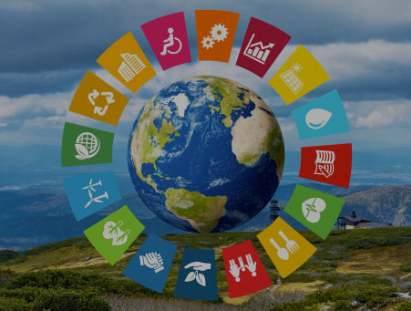
The United Nations 2030 Agenda for Sustainable Development, with its 17 interconnected Sustainable Development Goals (SDGs), provides a universal blueprint for peace and prosperity for people and the planet. While many SDGs overtly address environmental, economic, and social infrastructure, the profound and often understated contribution of counseling to achieving these global targets is critical. Counseling, as a distinct psychological discipline, addresses the human element at the core of all development, fostering resilience, well-being, and adaptive capacities essential for a sustainable future.
Counseling's impact resonates across multiple SDGs, particularly in:
This is where counseling's contribution is most direct and explicit.
The success of the 2030 Agenda hinges not only on policy frameworks and economic investments but fundamentally on the well-being and adaptive capacity of individuals and communities. Counseling, by nurturing mental health, fostering resilience, promoting education, and supporting social integration, acts as a vital, cross-cutting enabler for the SDGs. Recognizing and investing in professional counseling services is an investment in human capital, social cohesion, and the very foundation of sustainable development. It empowers individuals to confront challenges, adapt to change, and contribute meaningfully to a healthier, more equitable, and sustainable world.
Published: May 20, 2025 | By: Emma

Trauma, in its myriad forms, casts a long shadow over individuals and the collective fabric of our community. From personal experiences of loss and adversity to the broader impacts of socio-economic challenges and historical events, trauma can deeply affect mental health, social cohesion, and overall well-being. Achieving genuine community resilience requires a commitment to gaining a deeper, more nuanced understanding of the prevalence, nature, and impact of trauma within our specific context.
Trauma is not limited to singular, catastrophic events. It encompasses a wide spectrum of experiences, including:
Understanding trauma in our specific geographical and cultural context is crucial. Factors such as urbanization, socio-economic disparities, access to resources, cultural norms around mental health, and the history of our region can all play a significant role in the types of trauma experienced and how they are manifested. For instance, rapid urbanization can lead to social fragmentation and increased stress, while economic hardship can contribute to family instability and insecurity – all potential sources of trauma.
Furthermore, culturally relevant expressions of distress and coping mechanisms need to be understood and respected. Traditional support systems and community-based healing practices may offer valuable pathways to recovery that complement formal mental health services.
Investing in a deeper understanding of trauma within our community is not merely an academic exercise; it is a crucial step towards:
Gaining a deeper understanding of trauma requires a collaborative effort involving community members, mental health professionals, researchers, educators, policymakers, and traditional healers. Through open dialogue, research initiatives, community consultations, and the sharing of lived experiences, we can collectively build a foundation of knowledge that informs meaningful action.
By acknowledging the complexities of trauma within our unique context in Nairobi and Kajiado Counties, we can move towards creating a community that is not only aware of the impact of trauma but is also equipped to foster healing, build resilience, and create a brighter future for all.
Stay informed with the latest updates, tips, and exclusive insights. Subscribe to our newsletter and never miss a thing!
Social Responsibility
How Counseling can Contribute to SDG 2030